Zion National Park Day Trip from Las Vegas: Tips, Tours & Recommendations

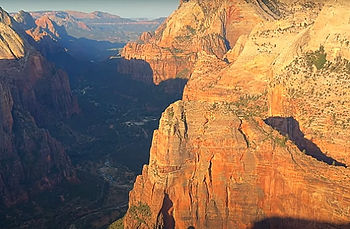
Las Vegas may be known as Sin City, but it’s also a gateway to stunning outdoor destinations like Zion National Park. When I visit Vegas, I carve out a day or two to explore nearby natural wonders like Valley of Fire, Red Rock Canyon, the Grand Canyon, or Death Valley.
Escaping the city’s noise and neon for the desert’s raw beauty is a great way to clear your senses and ground yourself for the second half of your Las Vegas vacation. You can reach Zion by renting a car and driving yourself, or by booking a guided day tour. I’ve broken down both options to help you choose the one that fits your travel style.
Best Time of Year to Visit Zion National Park
Spring and Fall are the two best times of year to visit Zion National Park. From early March to mid-May, the temperatures in the park are manageably warm. However, flash floods are more common, and hiking the popular Narrows of the Virgin River might be prohibited without warning.
Fall from late September to early November is also a nice time of year to visit Zion. Water levels in the Virgin River tend to be lower, making it easy to hike the Narrows. If you’re dead set on hiking the Narrows, I would pick a time in Late September to Late October.
Overnight Lodging Options Near Zion
Zion National Park sits nearly three hours from Las Vegas, so it makes sense to reserve a room in Springdale or Hurricane if you’re planning to drive yourself. This lets you explore Zion at a reasonable pace without having to rush back, exhausted on dark desert roads. Rested and refreshed, you can even enjoy a morning hike in Zion before heading back to Vegas.
If you’ve got a bigger budget to play, the sweet spot is to rent a room at Zion Lodge in the Park. The lines to get into the park can get long, and staying in the park will save you some time, as well as let you savor the visual immersion experience of Zion National Park.
Driving Directions From Las Vegas to Zion National Park
To reach Zion National Park from Las Vegas, head north on I-15 for about 125 miles, passing through the scenic Virgin River Gorge in Arizona before crossing into Utah.
NOTE: Time will change from Pacific to Mountain Time Zone.
Take Exit 16 for UT-9 East toward Hurricane and follow the signs through La Verkin and Virgin.
From there, continue on UT-9 for roughly 20 more miles until you arrive in Springdale, the gateway to Zion. The entire drive typically takes just under three hours and is a visual feast in its own right.
Where To Pick Up Supplies for Zion

When I fly into Vegas, I always bring either a collapsible cooler in my checked bag or I use a high-quality tactical cooler backpack as my carry-on. Before I leave the hotel, I load up several zip-top gallon bags at the ice machine and toss them in the cooler.
However, groceries, snacks and water bottles tend to be more expensive in Las Vegas and in Springdale. So, I get my supplies at the Walmart in St. George, Utah, which is right off Interstate 15.
What to Pack for a 2-Day Zion Trip
On a 2-day trip from Vegas to Zion, you need a few essentials and optional extras.
Water bottles or hydration pack that can hold at least 2 liters of water.
Weather-appropriate clothing with a moisture-wicking base layer
Hat and sunglasses for sun protection
Backpack for day hikes
Snacks and light meals (trail mix, energy bars, sandwiches)
A map of Zion or downloaded offline maps on your phone
First aid kit with basics (band-aids, pain relievers, blister treatment)
Flashlight or headlamp
Food Recommendations
With a properly chilled cooler backpack I like to buy deli meat, sliced cheese, tortillas, a bag of shredded lettuce and a small squirt bottle of mayonnaise. Then I make wraps to eat on the trail, which hold up far better than bready sandwiches.
I also like to pick up some nuts and protein bars. They’re calorically dense for times when you need a quick snack but still don’t take up a lot of space.
Cost to Get Into Zion National Park
The weekly pass to get into Zion National Park costs $30, which you can buy at the main gate. If you’re going to visit 2 or more National Parks in the next 13 months, it makes more sense to buy the America the Beautiful “Annual Pass.”
Understanding the Zion National Park Shuttle System
The Zion National Park shuttle system is the primary mode of transportation through Zion Canyon during peak season. It typically runs from March through late November, and while it’s running, you cannot drive in the Canyon beyond Zion Lodge.
Zion Canyon Shuttle Hours
The Zion National Park shuttle’s hours can vary slightly depending on the season. The park shuttles run every 5–10 minutes, and the town shuttles run every 10–15 minutes.
Peak season (May 18–Sept. 14)
First departure: 6 a.m. from Visitor Center
Last outbound to Temple of Sinawava: 7 p.m.
Last return from Temple of Sinawava: 8:15 p.m.
Spring/Fall (Mar 2–May 17 & Sept 15–Nov 1):
First departure: 7 a.m.
Last outbound: 5 p.m.
Last return from the Temple of Sinawava: 7:15 p.m.
Springdale (Town) Shuttle Hours
The Springdale shuttle is handy for getting you from your hotel or gear rental spot into Zion Canyon without having to worry about the serious parking challenges.
Peak season (May 18–Sept 14)
First departure: 7 a.m. from Stop 9 in town
Last departure: 8 p.m. from Stop 1 at Zion Canyon Village
Spring/Fall (Mar 2–May 17 & Sept 15–Nov 1)
First departure: 8 a.m.
Last departure: 7 p.m.
Returns mirror the park shuttle’s timing
Both shuttles are free with park admission, and no reservations are required. Visitors can hop on and off at any stop to explore at their own pace. Early mornings and late afternoons are the best times to avoid crowds and enjoy quieter rides.
Top Things to See & Do in Zion National Park
Zion National Park has a lot of different hiking opportunities that feel like you’re in the Grand Canyon, yet are much more accessible. You can usually do two or three of the following things in a day.
Hike to the Top of Angels Landing

Angels Landing is one of Zion’s most iconic and thrilling hikes. Considered to be one of the top 10 most challenging trails in the lower 48, it offers breathtaking panoramic views from the summit, with sheer cliffs dropping dramatically on both sides.
Angel’s Landing Permit
While you can hike up the switchback trail called Walters Wiggles, you’ll need a permit to hike the last half mile of the “Chain Section” to get to the summit. The Park Rangers are there and very strict.
Go here to apply for an Angel’s Landing Permit.
If you can’t get a permit or you aren’t comfortable going it alone, there’s a great Angel’s Landing Tour that will take you up. It’s a high-demand hike and can fill up at the last second when people who don’t get their permit through the lottery system.
Hike Observation Point
Observation Point is a longer and more strenuous trail than Angels Landing but doesn’t require a permit and is a popular fallback option. You’re rewarded with an arguably even more spectacular panoramic view of Zion Canyon, including a breathtaking overlook directly above Angels Landing itself.
NOTE: I would never do this trail during the summer or even on a hot day in the off-peak season. The sun really beats on you like a hammer, especially on the hike back. The one caveat would be if you’re staying in Zion Lodge, and you’re willing to head out with the first photon of pre-dawn gray.
Hike the Canyon Overlook Trail

The Canyon Overlook Trail is a relatively short but rewarding hike that offers spectacular views of Zion Canyon’s southern rim. If you’re not a thrill seeker and you don’t want to embark on a grueling hike, the Overlook Trail is perfect!
Unlike some of the more strenuous hikes, this trail is accessible to most visitors and only takes about an hour. It leads you to a breathtaking viewpoint overlooking towering cliffs, rock formations, and the winding canyon floor below.
It’s a perfect introduction to Zion’s dramatic landscape, and I think the perfect hike for kids under 12. Especially if you’re short on time but still want an iconic vista. Be sure to wear sturdy shoes and watch your footing, as some sections are narrow and rocky.
Hiking The Zion Narrows
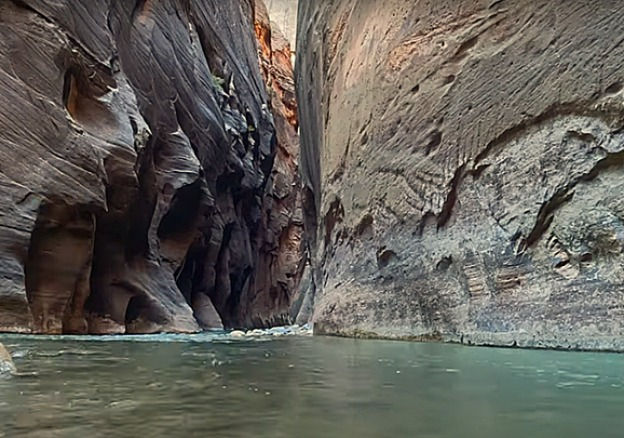
Hiking The Narrows is one of Zion National Park’s most iconic and awe-inspiring adventures. This route follows the Virgin River as it carves its way through a deep, narrow canyon with towering sandstone walls reaching up to 1,000 feet high. There are two main ways to hike The Narrows: bottom-up and top-down.
Most of the hike involves walking directly in the river, often through ankle-to-waist-deep water, with slippery rocks underfoot and canyon shadows overhead. It’s a sensory experience unlike any other, blending natural beauty with an element of challenge.
Hiking the Narrows from Bottom-Up
The most popular choice is bottom-up, beginning at the Temple of Sinawava (the final stop on the Zion Canyon shuttle). No permit is needed for this route, and you can turn around whenever you want.
The most popular turnaround point is Wall Street. It’s a dramatic section where the canyon narrows to just 20–30 feet wide.
Another option is Orderville Canyon, which is a beautiful side canyon accessible partway in. Some people will choose to hike up the Orderville Canyon when it splits off. I haven’t done this, but I’ve heard it’s pretty wild in places. If you want to go that way, I strongly recommend a guided tour of the Zion Narrows.
Hiking the Zion Narrows Top Down
Hiking the Zion Narrows from the top-down route starts at Chamberlain's Ranch and covers about 16 miles one way. It usually takes 10–14 hours or an overnight trip. This version is far more strenuous and requires a wilderness permit, which can be reserved in advance via the National Park Service. This is another time when I’d consider booking a guided tour of the Zion Narrows.
Renting Gear for Hiking the Zion Narrows
It’s a good idea to rent proper footwear and walking sticks from local outfitters. In cooler temperatures, renting a pair of waterproof bibbed overalls is also a very good idea.
Zion Guru rents complete Narrows packages including river-specific shoes, neoprene socks, and sturdy wooden walking sticks, along with dry bibs or dry suits for chilly weather. Gear pickup the day before is included, so you're ready for an early start. If I’m staying in Springdale, and I want to head out early, this is my go-to stop to rent gear for hiking the Zion Narrows.
Near stop 3 in Springdale, Zion Adventures offers similar Narrows rental options: canyon shoes ($22), neoprene socks, walking sticks ($10), and full bibs or dry suits starting around $59–$79/day. They also rent trekking poles separately for $15/pair
Right outside Zion’s entrance, Zion Outfitter rents all essential Narrows gear, boots, neoprene socks, and sticks. Reviewers say rentals are easy to book, and park profits support the park
Zion’s Emerald Pools Hikes

Zion’s Emerald Pools trails are sort of a misnomer, as I feel it’s more of a waterfall hiking experience than it is about the green pools they form. These are more moderate hikes with lush vegetation and beautiful waterfalls. You can explore Lower, Middle, and Upper Pools, each with its own scenic charm.
There’s a fair amount of shade and a little bit of refreshing mist to these hikes. So, I think they’re better suited for an afternoon hike after tackling a morning hike like Angel’s Landing or the Canyon Overlook.
Zion’s Scenic Drives
Zion offers several scenic drives perfect for those who prefer exploring by car. The Zion-Mount Carmel Highway is a must-see, featuring winding roads, tunnels, and stunning vistas. The Kolob Canyons Scenic Drive offers dramatic red rock formations and fewer crowds, ideal for photography and peaceful exploration.
The Mount Carmel Tunnel is spectacular, and if you have another driver with you, I honestly think it’s worth doing twice and taking turns. The tunnel is narrow, and there are gallery windows carved into the rock that give you a momentary glimpse of the canyon walls. I honestly think the drive back into Zion through the tunnel is better than the drive out.
This is also one of the more popular ways from Zion to Bryce Canyon. The two canyon complexes work nicely together, and there are guided tours of Zion National Park and Bryce Canyon from St. George Utah, or Las Vegas Pickup.
Booking A Zion Tour From Las Vegas
If the idea of a self-driving Zion tour sounds like a bit much, there are some great tours of Zion National Park from Las Vegas. Most have pickup options at popular Las Vegas hotels on the Strip.
This small group tour is nice if you want to do some of Zion’s less dangerous hikes. It includes the Canyon Overlook Trail, the Virgin River Walk, and Emerald Pools. However, it doesn’t include the Narrows or Angel’s Landing. Which is sort of to be expected for liability reasons.
This is a very popular tour for hiking Zion from Las Vegas. So, it’s best to book it in advance to make sure you have a spot. Pickup is available from popular Vegas Strip resorts between 5:50 and 6:30 AM.
Final Thoughts on Touring Zion From Las Vegas
Adding a tour of Zion National Park to a Las Vegas vacation is a great way to taste the excitement of Sin City and bask in one of Mother Nature’s greatest wonders. If you just want to do some light hiking and soak in the visual majesty of Zion, then the Small Group Tour of Zion is by far your best option.
It’s far cheaper than renting a car, paying for gas, figuring out your itinerary, and trying to navigate the shuttle system solo. The drawback of the small group tour is that there’s no Angel’s Landing experience or hiking the Narrows. However, those as strenuous experiences that aren’t to be taken lightly.
If you’re dead set on hiking Angel’s Landing or the Narrows, then the only option is a self-driving tour and getting a permit. The wise move is to book a room at Zion Lodge or a hotel in Springdale. It’s typically too much to try to hike both in one day, and you’d be too wiped out to handle the 3-hour drive back to Vegas afterward.


Hồi trước mình có lướt mạng và thấy mọi người bàn luận về bóng đá số, nên cũng tò mò ghé vào xem thử. Mình chỉ dành một chút thời gian để xem cách mà họ trình bày thông tin và tỷ số trận đấu. Nhìn chung, mọi thứ được sắp xếp khá rõ ràng và dễ hiểu, không bị rối mắt. Với mình, chỉ cần như vậy là đủ để nắm bắt những thông tin cần thiết rồi. Thật sự thích hợp để theo dõi các trận đấu và kết quả trên bongdaso.org.